





.png "Neptun_Logo_Vertical_RGB_Color (2).png")








An interview with Güney Akbarli
 Güney Akbarli, a Stipendium Hungaricum student originally from Azerbaijan, was recently interviewed by Paul Rogerson, a colleague from the Centre of International Programmes at Széchenyi István University.
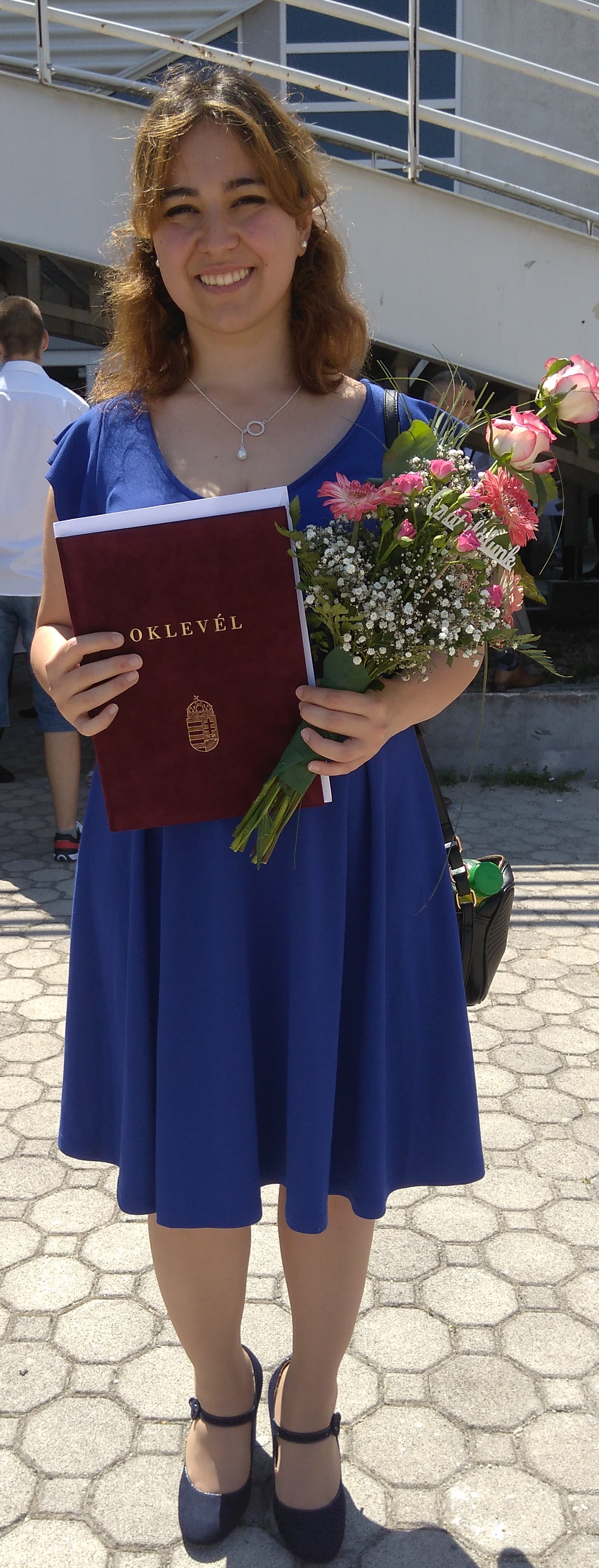
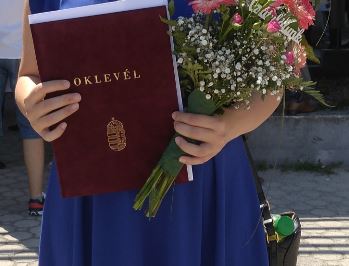
PR: So, Güney, you’ve just finished a 2 year Master’s Programme in Marketing and Strategies here at Széchenyi István University. When was your graduation ceremony?
GA: It was on 14th June.
PR. So, what comes next?
GA: Well, I’ve already been accepted for a place on a doctoral programme here, so that’s for the next four years.
PR: Congratulations! And in which discipline are you planning to do the doctoral programme?
GA: I’ve chosen Regional Sciences and Administration in SZEEDSM.
PR: Did you manage to obtain another scholarship?
GA: Yes, I applied through the Stipendium Hungaricum scheme and fortunately I was granted another scholarship for my PhD.
PR: Can you tell me exactly what the scholarship covers?
GA: So, apart from the tuition fees, accommodation is covered and there’s also an amount for living expenses.
PR: Are there any other Azerbaijani students currently studying at Széchenyi István?
GA: Actually there are 13 at the moment.
PR: In Azerbaijan, how well-known is Hungary as a study destination?
GA: Azerbaijani students are usually aiming to study in Europe primarily. They are attracted by Europe, and Hungary is increasingly becoming a popular choice for them. I think that the Stipendium Hungaricum makes it very attractive for students who are not self-funded.
PR: What kind of contact do you have with the other Azerbaijani students?
GA: I like to think I have a kind of mentor role for the new arrivals from my homeland. I enjoy that. Oh, and we have a Whatsapp group which keeps us all in contact…
PR: What is it that you personally find attractive about Hungary?
GA: I like the people: they are so kind, friendly and helpful.
PR: And what about Győr as a place to live and study?
GA: I love Győr because of its size – it’s not enormous like a capital city, and yet it has everything. It’s just right! Big cities are all about public transport but I like walking, which is perfectly possible in Győr. I have visited both Budapest and Debrecen, but I really do prefer Győr.
PR: And how much Hungarian do you speak?
GA: Well, I haven’t had a lot of time since coming here to take formal lessons, but I do understand quite a lot when people speak to me.
PR: I believe there are some connections between Azerbaijani and Hungarian in terms of grammatical structure….
GA: Yes, and some vocabulary items too.
PR: So are you going to learn the language more actively in the future?
GA: Yes, I’d like to…… I hope so, if I have time apart from all I need to do for my PhD.
PR: Just getting back to your doctoral studies for a minute…..have you already decided on the research area of your dissertation?
GA: Yes, I have. I’ve chosen to focus on Marketing Strategies and more specifically the theoretical background.
PR: Is there the possibility of doing some teaching as part of your doctoral course?
GA: Yes, there is, in the third and fourth years.
PR: Tell me, how do you see your professional future, say in ten years’ time?
GA: In teaching - I would like to become a lecturer in Higher Education.
PR: That’s great. Thank you so much for coming here today and taking part in this interview. It’s been a real pleasure talking to you.
GA: Thank you.